Ore selection
Production begins with selecting calcite ore of suitable quality. Whiteness, purity, and raw material continuity directly affect the final product’s performance.

Etna Maden
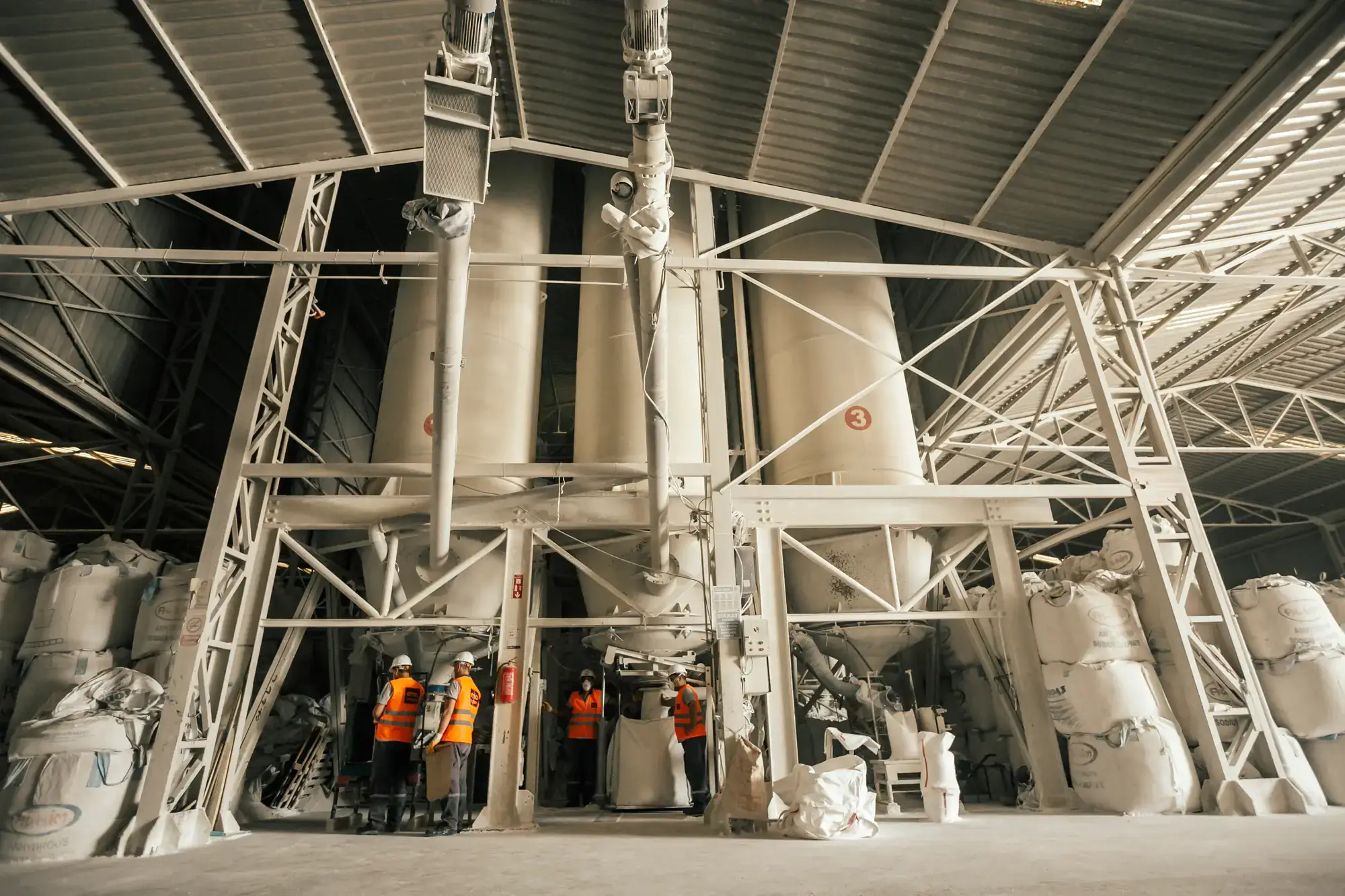
A product family resulting from crushing, screening, micron-scale grinding in mills, and classification of calcite ore.
Production Logic
The process is not just stone grinding. Raw material selection, crushing-screening, grinding, particle-size classification, quality control, and packaging steps work together. The goal is to deliver a standard product that maintains target whiteness, particle size, and dispatch continuity.
Production begins with selecting calcite ore of suitable quality. Whiteness, purity, and raw material continuity directly affect the final product’s performance.
Calcite arriving from the quarry is reduced to the size required by the production line. This step enables more controlled and efficient feeding of the mills.
The crushed material is screened and separated into the correct fractions, so the grinding line receives more homogeneous feed and product consistency is supported.
The prepared calcite is ground in mills down to micron scale. The goal at this stage is to achieve the fineness and distribution suited to the target industry.
The ground product is classified by particle-size distribution, producing the correct product class for applications such as paint, plastic, construction chemicals, detergent, or ceramics.
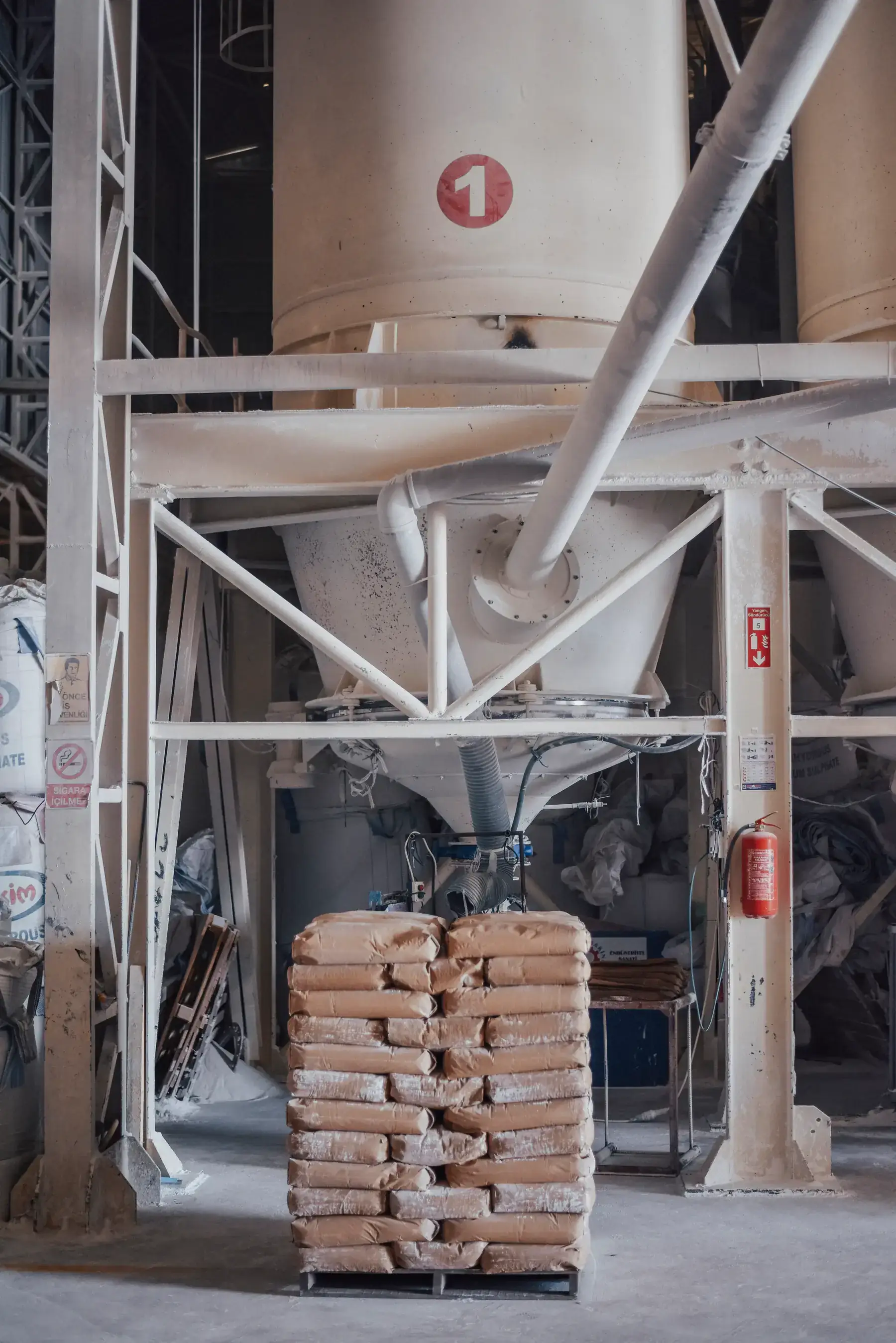
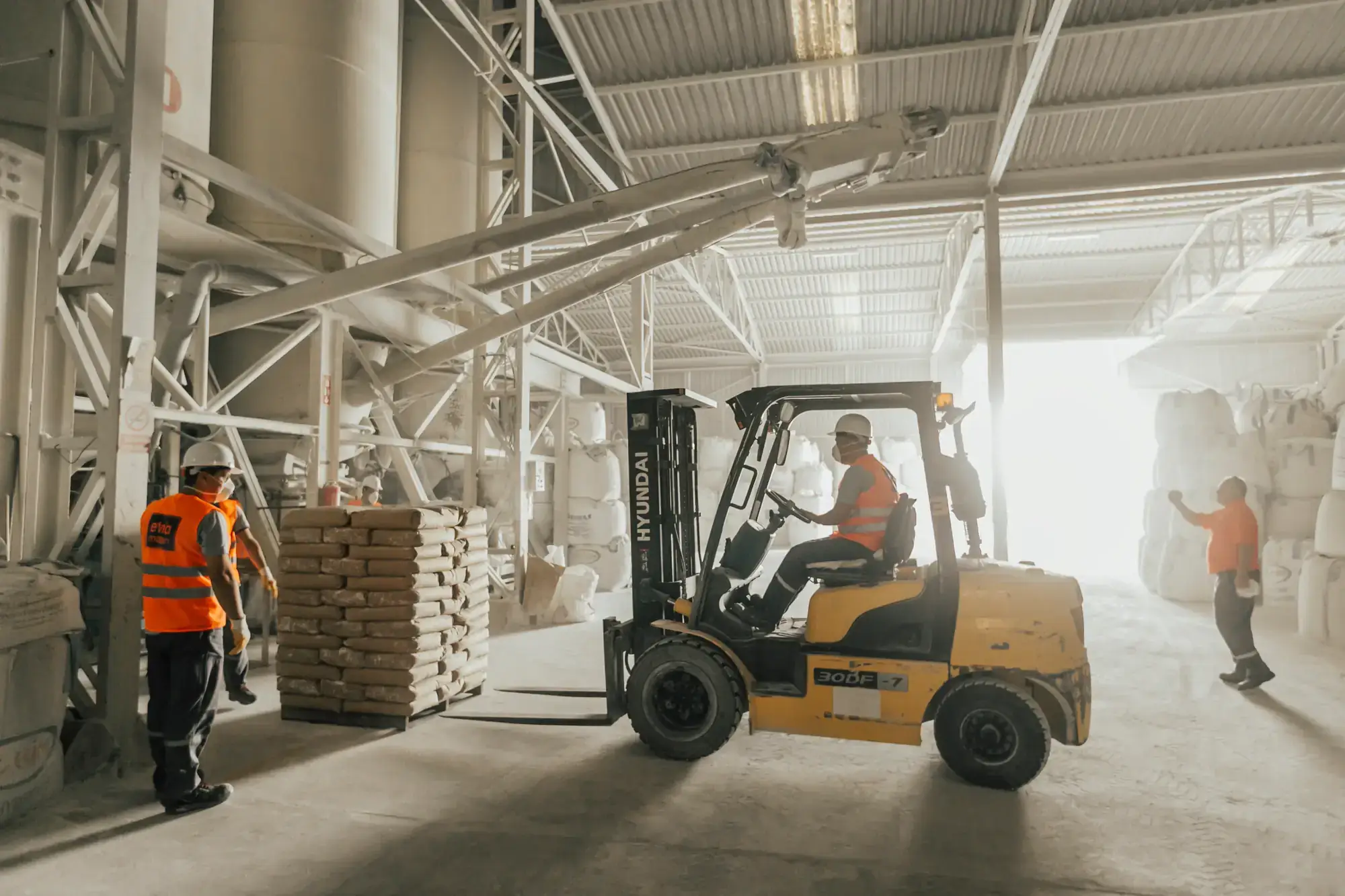
Before dispatch, the product passes through quality and loading processes. It reaches customers in kraft bag, PP sack, big bag, or silobas options based on demand.
Product by Application
Industry, target particle size, monthly consumption, coated/uncoated requirement, packaging preference, and delivery location are the key inputs that clarify product selection.
Micronized calcite is used as a functional filler in paint, plastic, construction chemicals, paper, ceramics, detergent and insulation industries.
Information Needed for a Quote